
After a short stay at Tin Can Bay, we started moving north up the Great Sandy Strait (GSS), between Australia and the large sand island K’garri (which was once known as Fraser Island), heading up the straits with glassy conditions and a rising tide to carry us slowly.
The GSS is very shallow, with narrow defined channels between extensive sand flats, which are often exposed on the low tides. The tide floods into the GSS from both the north and the south, meeting in the middle around Turkey Island. The best planning has us arriving at that mid point at the top of the tide, and that way gain the benefit of the favourable current and also transit over the shallowest point at the tide with the most water over it. Today, it was so calm that we drifted on the tide for most of the day.
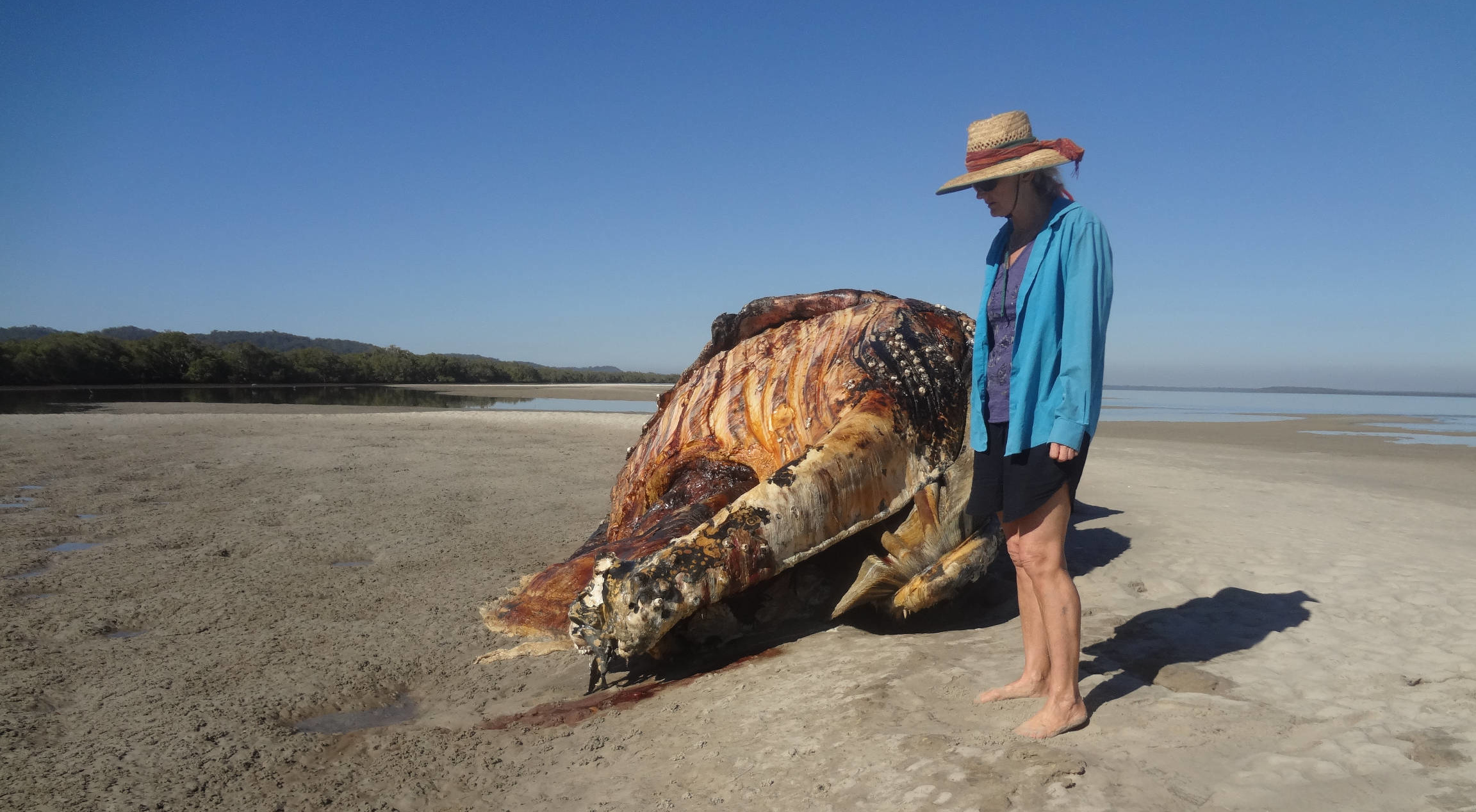
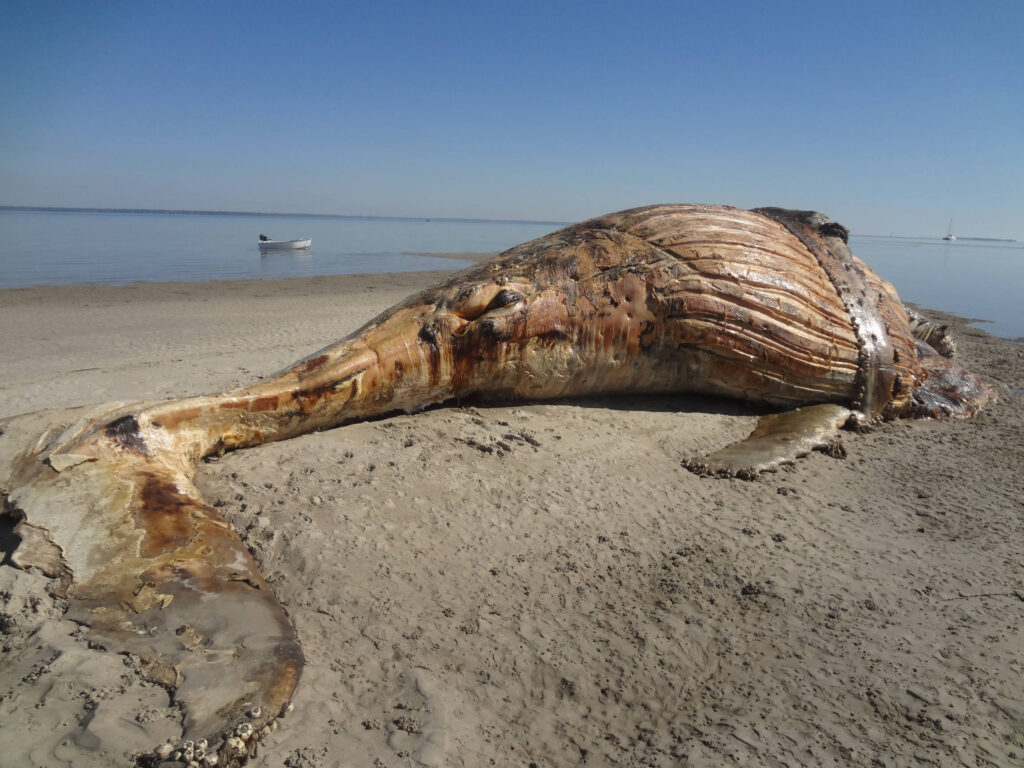
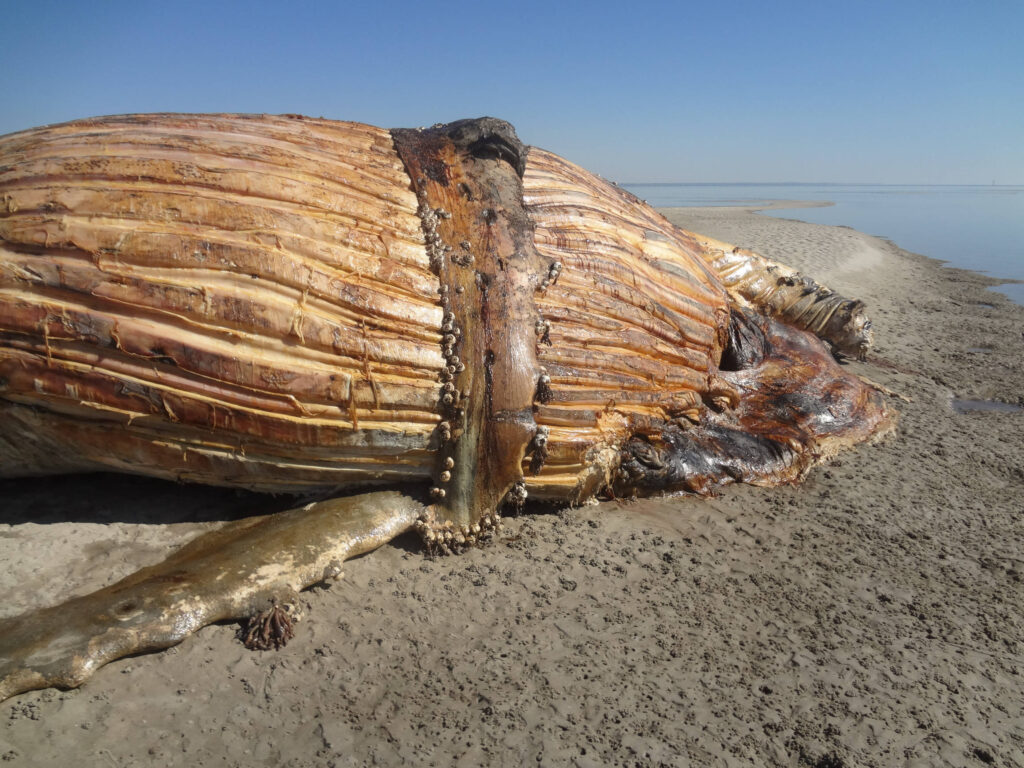
Along the southern end of K’garri, the channel is a little offshore, but we often take the shortcut, following a little gutter that runs along the shoreline. It was here on a projecting sandbank that we could see and smell the carcass of a dead Humpback whale.
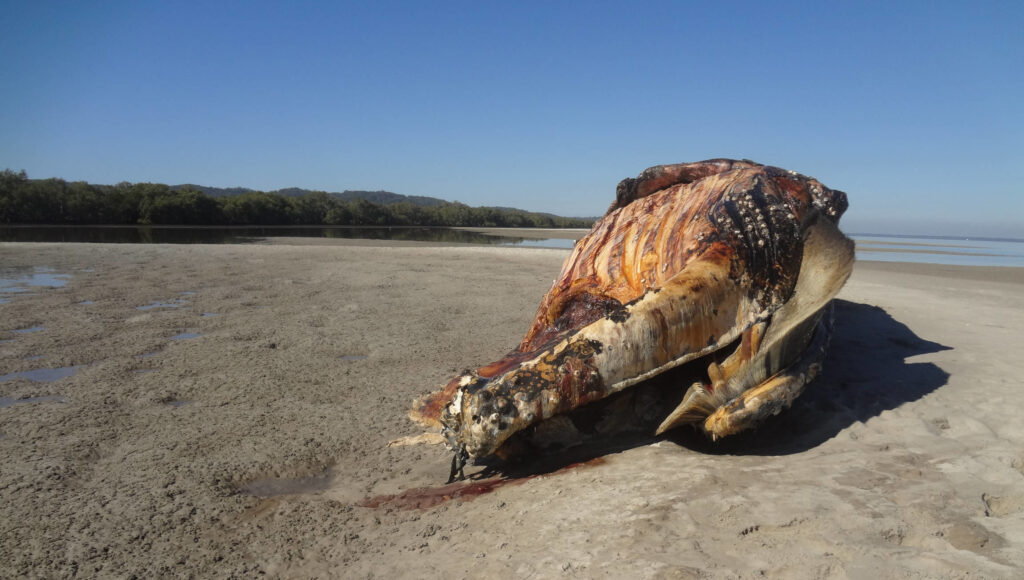
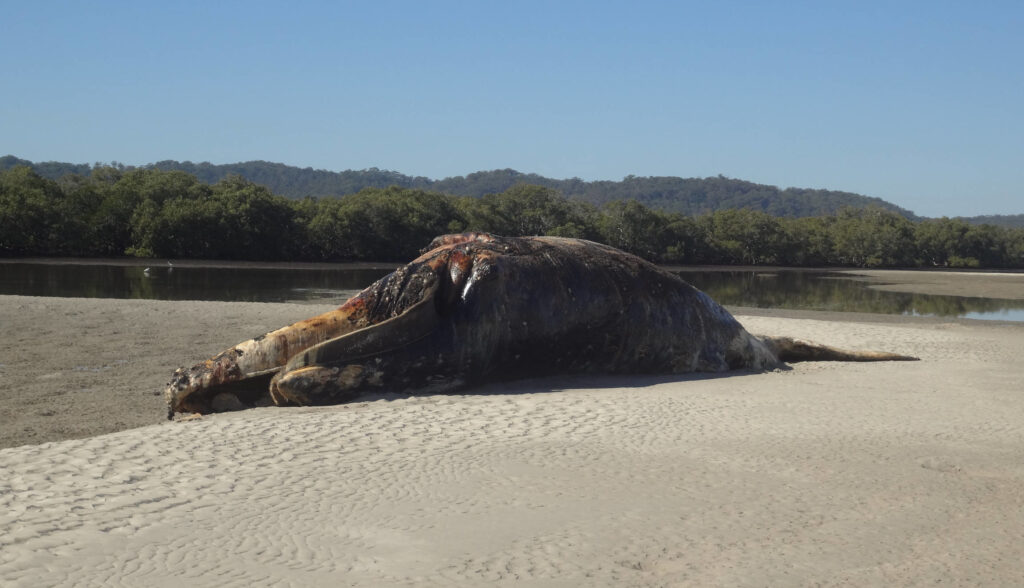
The carcass was located on the first sandbank that projects from the island out into the straits. I believe that the whale must have entered the straits by coming over the Wide Bay Bar, and then progressing along the eastern shore until it was beached here.
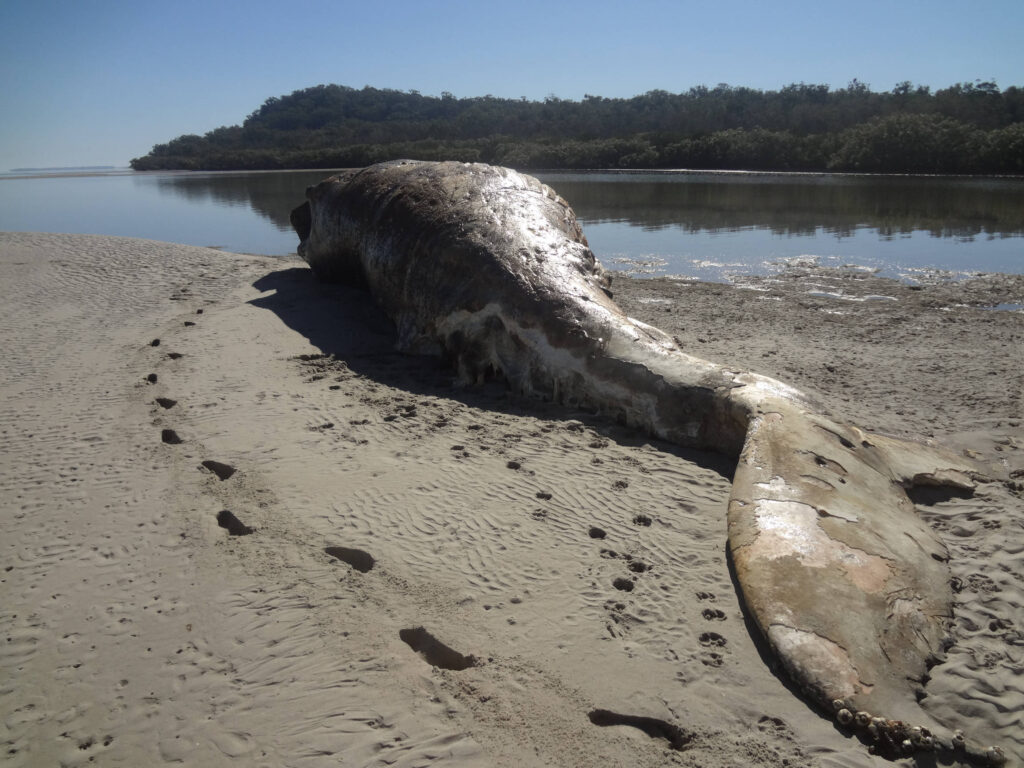
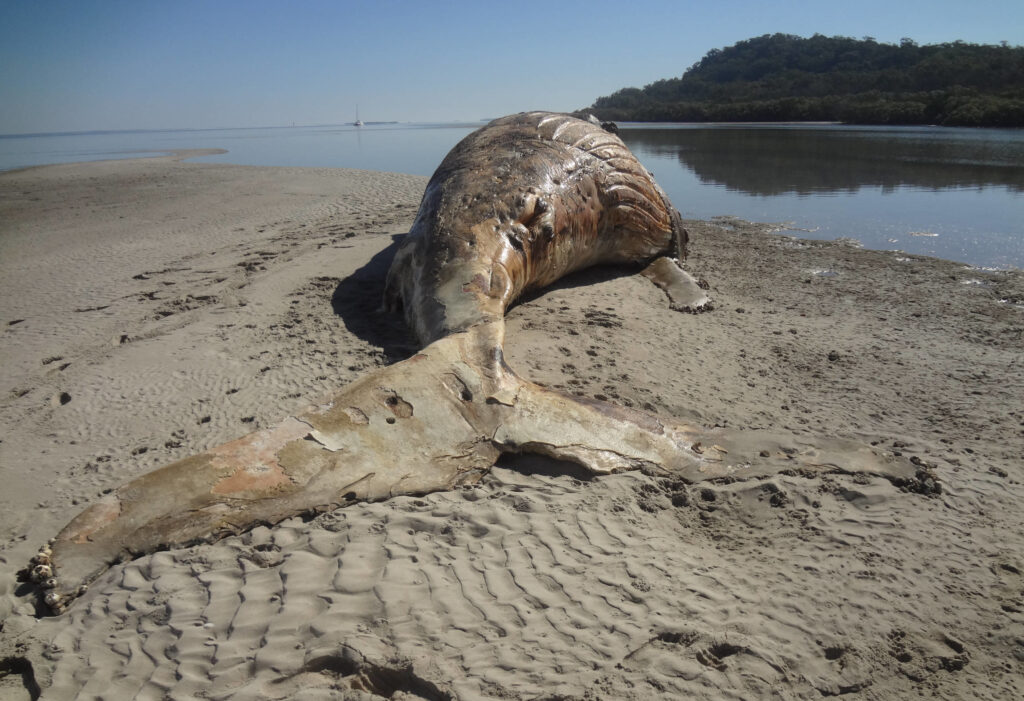
Track marks in the sand indicate that the location is well known to the island’s population of native dogs (dingoes or wongari)
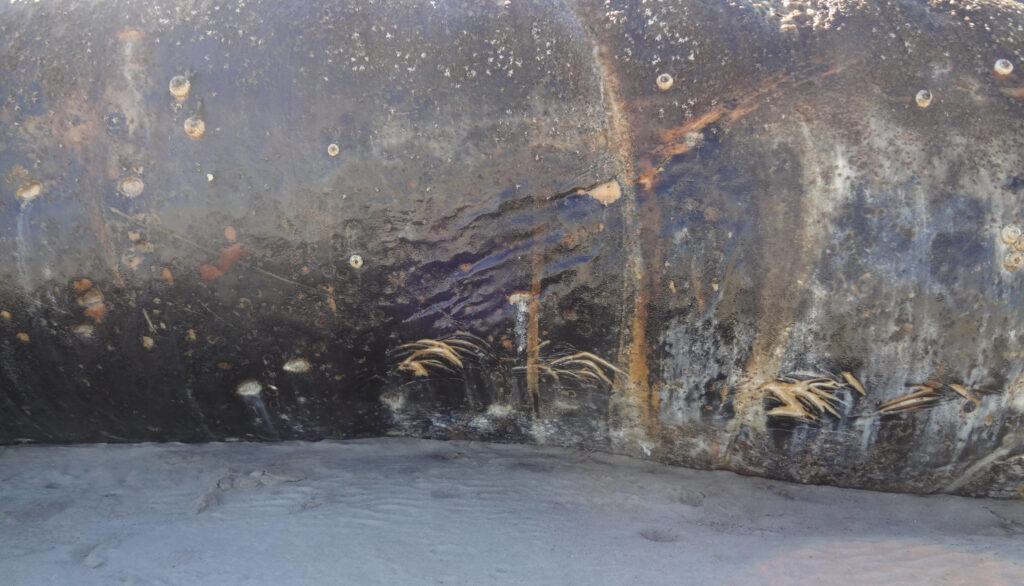
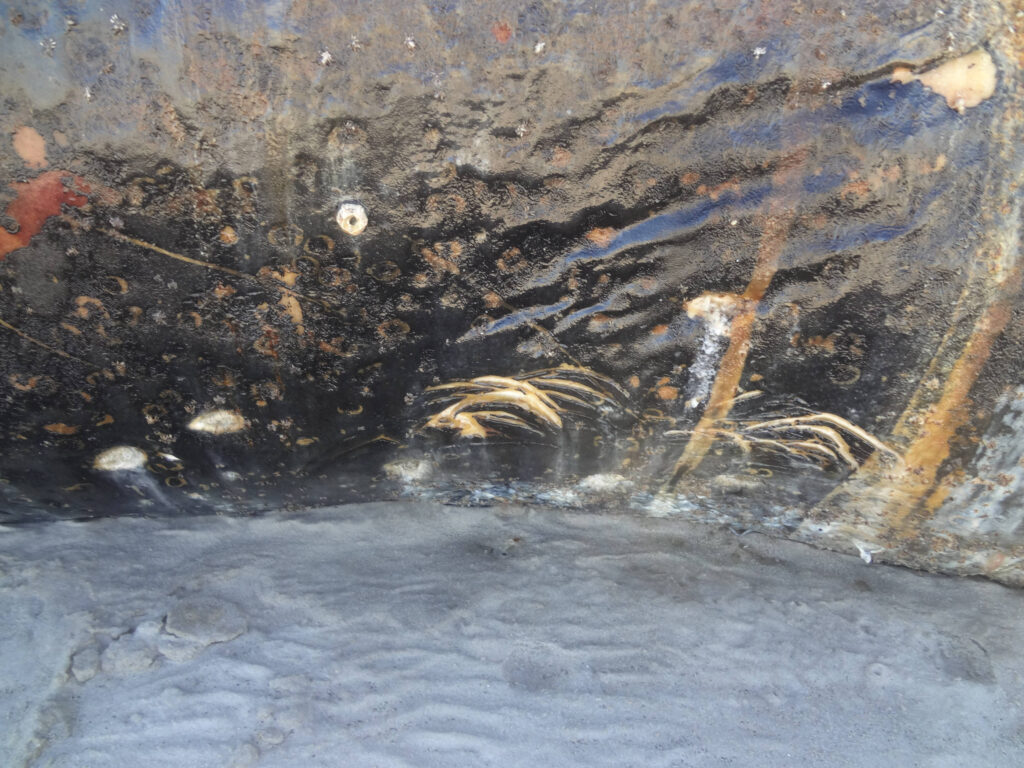
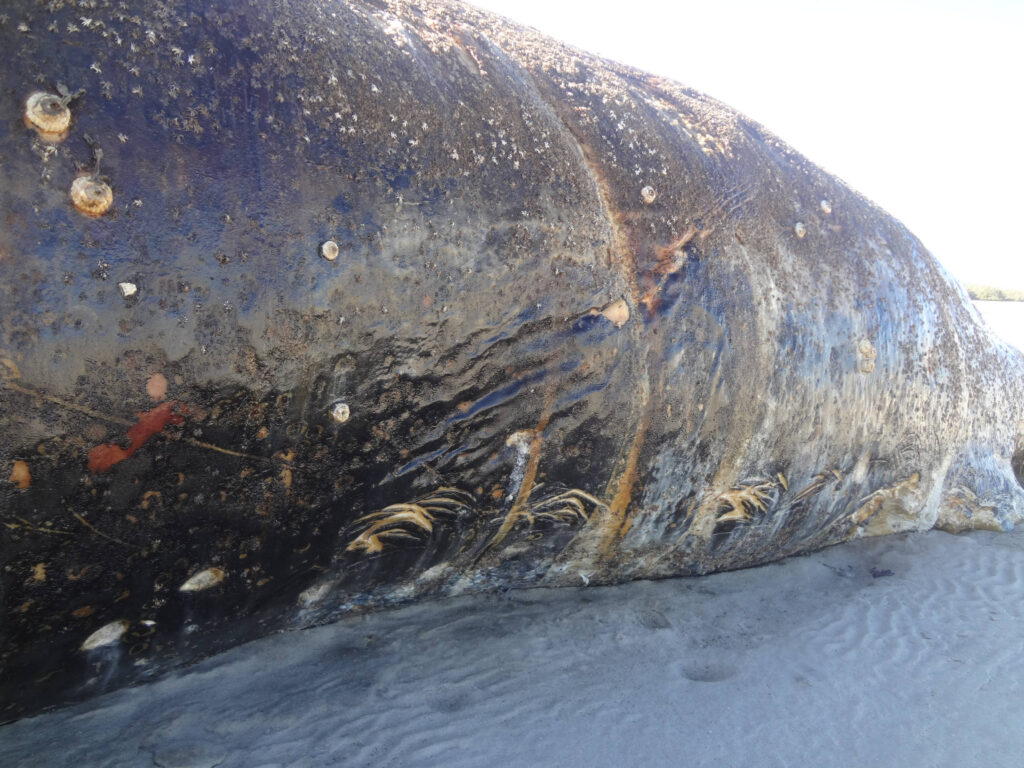
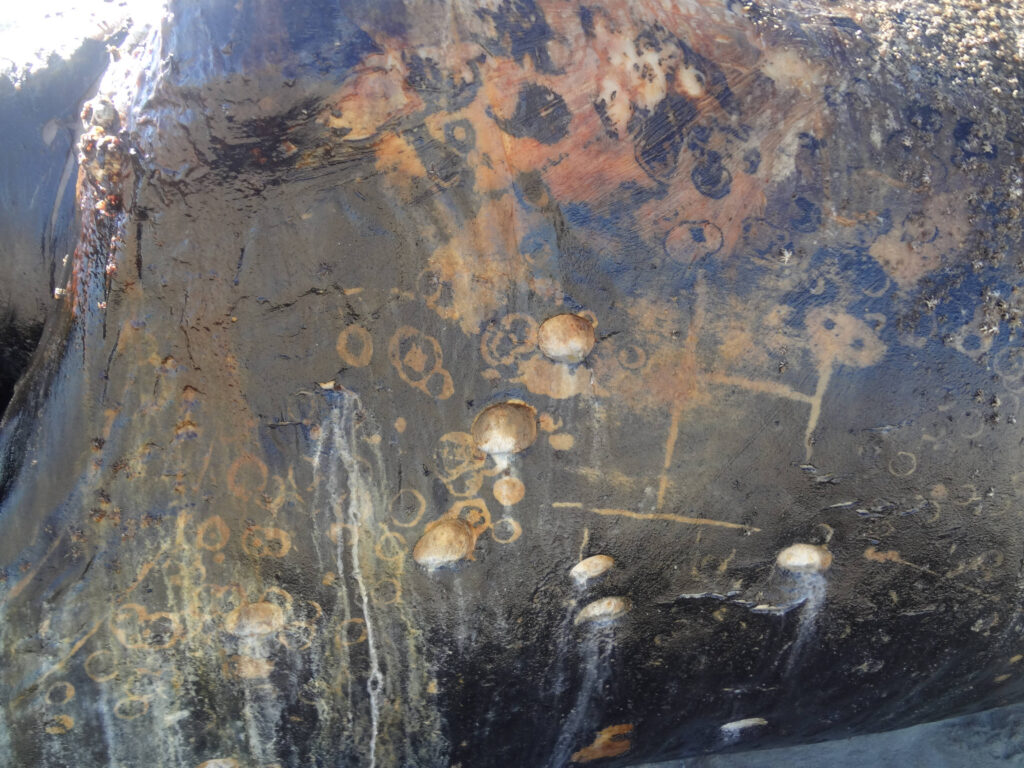
The deep lesions on the carcass appear to be a sign that the whale had been tangled in rope for some period of time.
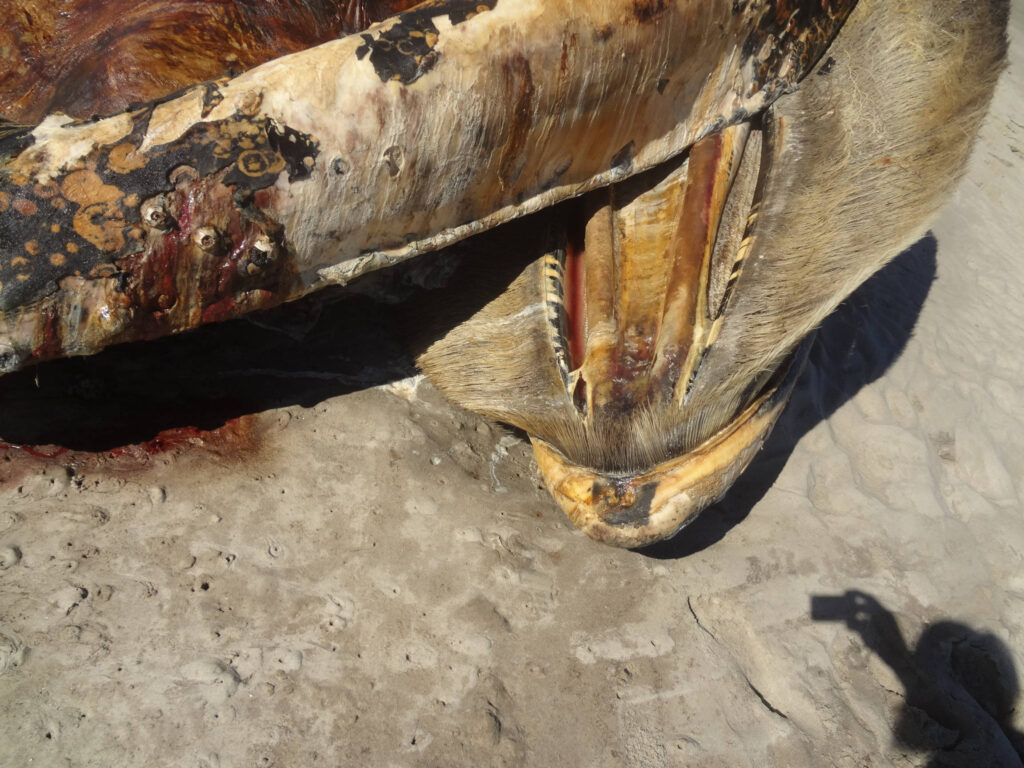
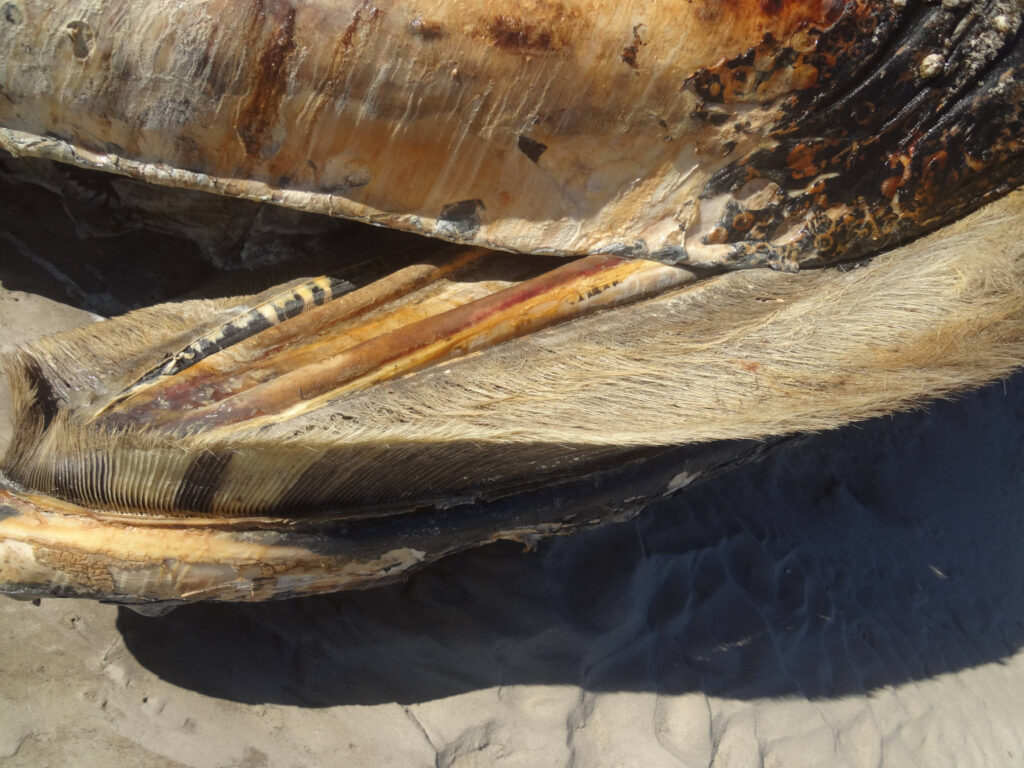
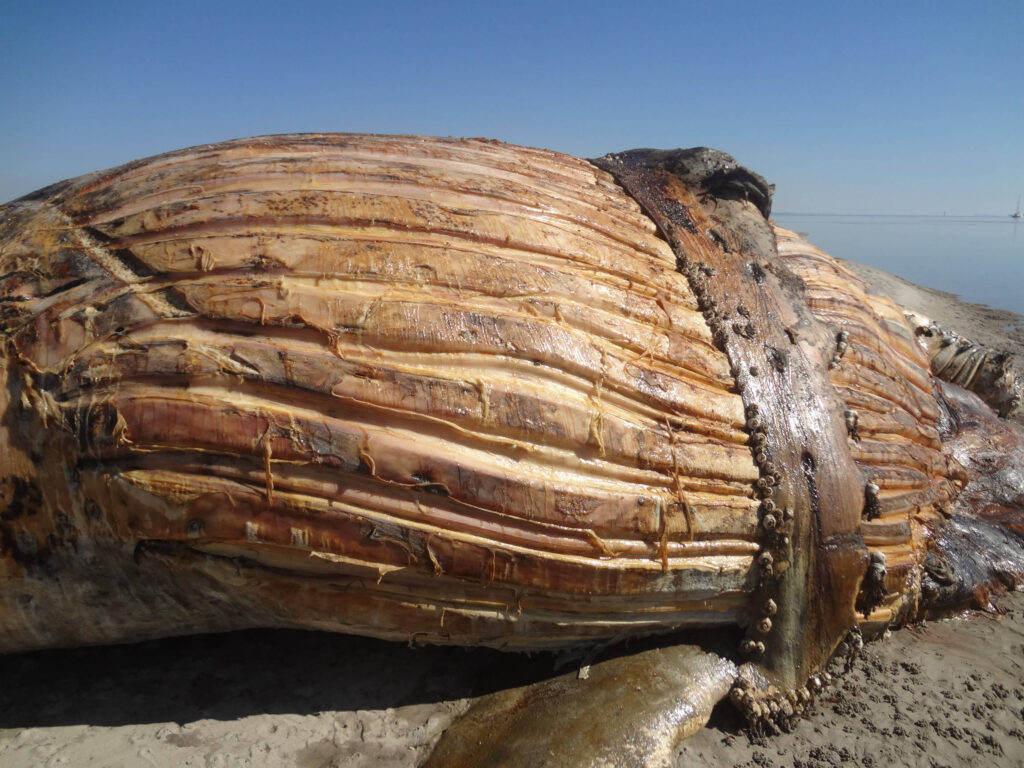
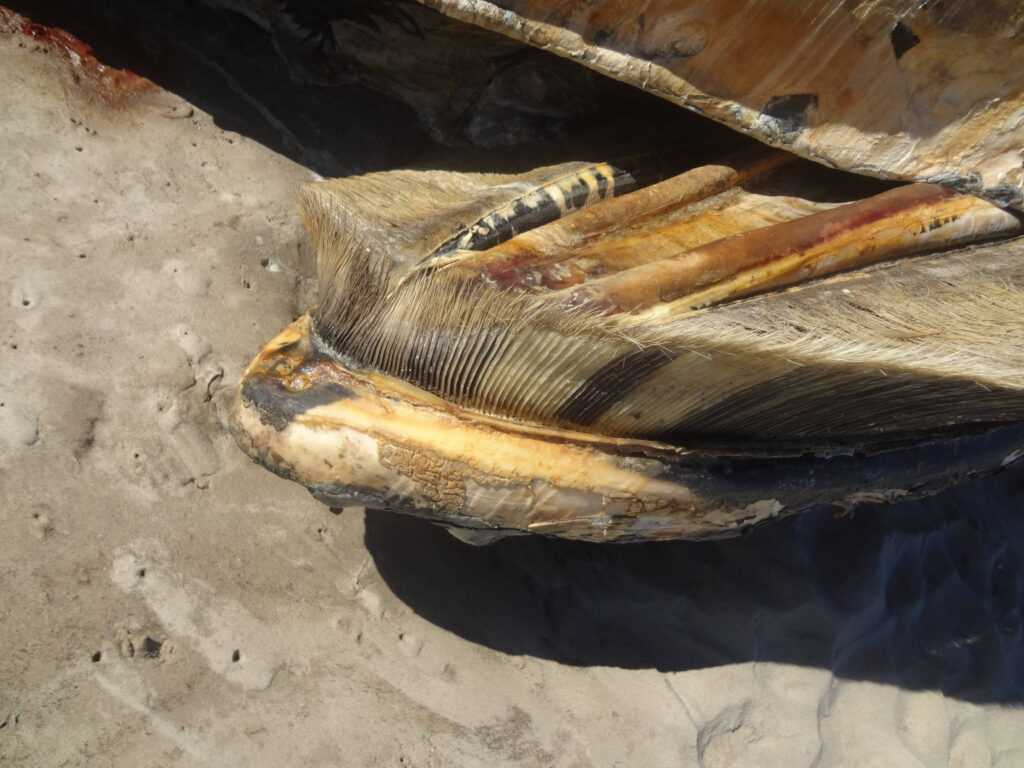
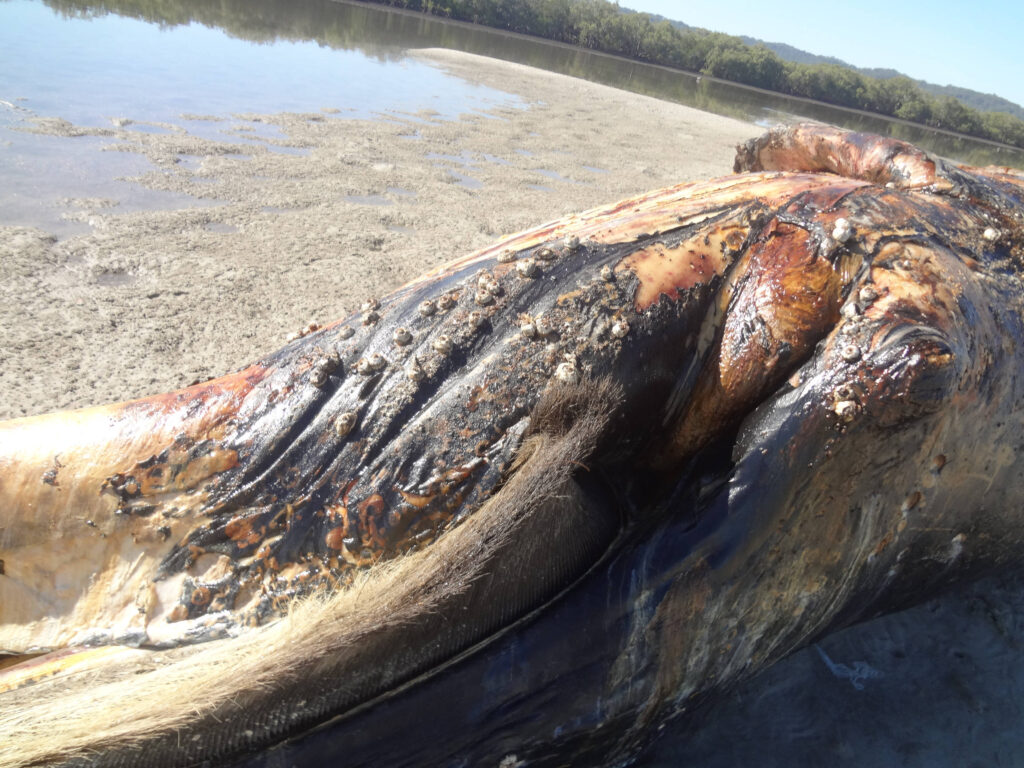
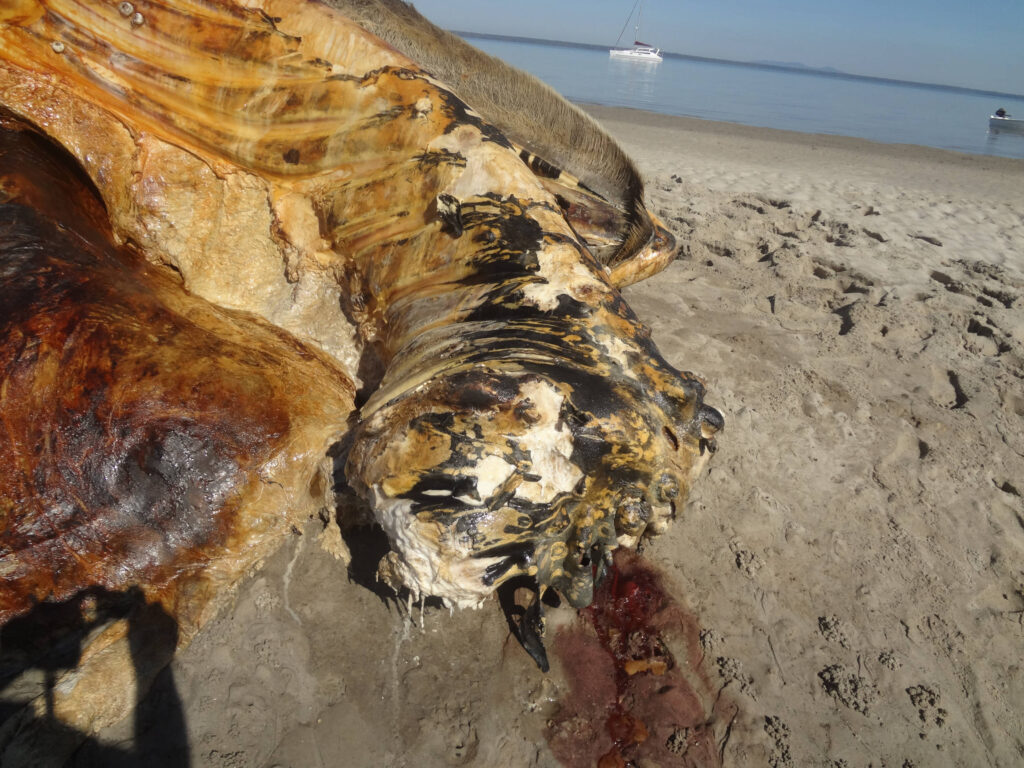
While we felt sad about this tragic loss of life, it was interesting to get this up close look at a whale. Afterwards, we drifted on to Garry’s Anchorage.
Leave a Reply